
This page features some common questions and answers about Reiki.
1. What is Reiki?
Reiki is a gentle, non-invasive, hands-on method of energy transfer. Energy flows through the hands of the practitioner into the body of the person being treated. It harmonizes and optimizes body/mind processes.
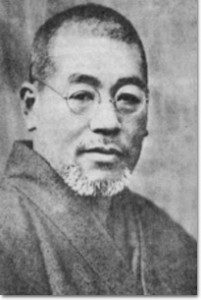
Reiki is a simple technique developed early in the 20th century by Mikao Usui. While on a meditation retreat on Mt. Kurama, a holy mountain in Japan, Usui became aware of Reiki energy and discovered that it enhanced his healing abilities. The term comes from two Japanese words, “Rei,” meaning “universal,”, and “Ki,” meaning “life force energy.” Reiki can be loosely translated as “universal life-force energy.”
2. How does Reiki work?
Reiki increases the “life force energy” that flows through us and around us and causes us to be alive. The life force is responsive to our thoughts or feelings, and can become disrupted and diminished by negative thoughts or feelings, especially about ourselves. If this energy is low we are at greater risk of becoming sick or stressed. If our life force energy is high we are more likely to be happy and healthy.
Reiki provides a positive boost of “ki,” which raises the energy field’s vibratory level in and around the negatively affected areas of the body, causing negative energy to dissipate and fall away. Thus, Reiki restores the healthy, natural flow of the life force.
3. Why 4 sessions to get started?
For those completely new to Reiki, we request the opportunity to provide four sessions in a short time, such as a week to ten days, depending on our mutual availability. This will jump start your healing process.
Our problems, both physical and emotional, develop and worsen over time, and there is no magic wand to remove them. We must work together over several sessions until the body and mind start responding positively to the application of Reiki.
In the first session the body does not know what to expect, and often remains somewhat resistant to the flow of energy. During the second treatment the body relaxes more deeply and begins to receive the flow of Reiki more freely. The third and fourth treatments are usually very strong and initiate the healing reaction we hope for each client.
After the first four sessions are completed, we ask clients to come once a week (if necessary) until they have achieved good results.
4. How will I feel after a session?
The experience of Reiki treatment is unique for every individual. A feeling of deep relaxation is virtually universal. People receiving Reiki treatment feel a radiant glow that flows through and around them. Body, emotions, mind, and spirit are all affected, bringing about a sense of serenity, security, and well-being. Some people may have out-of-body or other mystical experiences. Paradoxical feelings of being relaxed and alert, detached while having enhanced clarity, and vulnerable yet safe are common.
Sometimes, toxins that have been stored in the body may be released to the bloodstream and circulate through the body before being removed through the liver or kidneys. This cleansing process may cause one to have a headache or stomach ache or feel weak within 24 hours of the session. Drinking more water, eating lighter meals, and getting plenty of rest can help reduce discomfort.
5. How often should I be treated?
After the first four introductory sessions are complete, clients can decide how often they would like to return for treatment. For those who simply need to de-stress or get an emotional boost, sessions as-needed are appropriate. For those facing serious illness or anxiety, a weekly schedule of sessions is generally best to keep the healing process moving forward until the desired results are achieved. You can consult with your therapist for a recommendation about what would be most beneficial given the goals you have set for your treatment.
6. Is Reiki a religious practice?
Reiki is not a religion. It is a philosophy of care that teaches practitioners to relate to a person’s core or essence rather than their personality; to listen without passing judgment, to be willing not to know or understand the “why’s” underlying a patient’s symptoms; and not to view a patient’s response to Reiki treatment as a personal achievement. The practitioner provides a conduit for the universal life-force energy but does not control the process.