In Reiki, self-treatment is not optional. It is foundational. Within Koshin Reiki as transmitted by Brian Brunius, Reiki is consistently taught not merely as a hands-on healing method, but as a Way—a lived spiritual practice.
Reiki is something we do, something we walk, something that gradually shapes our consciousness. And at the heart of that way is self-treatment.
It is often said that Reiki flows where it is needed most. When we place our hands on ourselves regularly, we are not only supporting physical and emotional balance—we are engaging in an act of presence, humility, and self-responsibility.
Brian Brunius frequently emphasizes that Reiki is not just about performing healing on others, but about cultivating a state of being through gentle, consistent commitment. Self-treatment is how that cultivation happens. It is how Reiki moves from something we use to something we are.
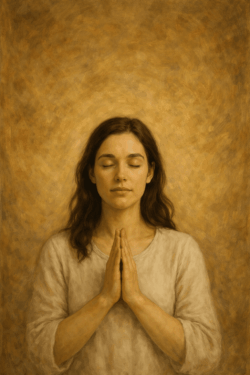
Reiki is a path toward enlightenment—not in a dramatic or transcendent sense, but through daily practice, awareness, and alignment with natural harmony.
Self-treatment keeps us on that path. There is a simple but powerful analogy often used in healing work: on an airplane, you are instructed to put on your own oxygen mask before assisting the person next to you. Reiki works the same way.
If we neglect our own energetic, emotional, and spiritual well-being while focusing solely on helping others, we eventually become depleted, disconnected, or imbalanced. Self-treatment ensures that when we offer Reiki to others, we do so from fullness rather than exhaustion, from clarity rather than obligation. By tending to ourselves first, we honor Reiki’s intelligence and allow it to flow through us unobstructed.
The Reiki Precepts remind us:
- Just for today, do not anger
- Don’t worry
- Be grateful
- Work diligently
- Be kind to people
“Be kind to people” includes you.
🌿 Join Our Weekly Reiki Self-Treatment Sessions
Reconnect with your Reiki practice in a supportive, guided group setting.

Mark Straubel, RMP, your guide for the Reiki Self-Treatment Circle
🗓 Every Wednesday (alternating weekly: morning one week, evening the next)
⏰ 1-hour live Zoom session
👤 Guided by Reiki Master Practitioner Mark Straubel
✨ Open to all students from the John Harvey Gray lineage
💲 $20 per session
Why join?
• Stay consistent with your self-practice
• Restore balance, calm, and clarity
• Deepen your connection to Reiki
• Make self-care a weekly priority
Self-treatment is an embodied expression of the Gokai. When we work diligently at our own practice, placing hands on ourselves even when it feels inconvenient or ordinary, we live Reiki rather than simply believing in it. Kindness toward oneself is not self-indulgence—it is spiritual integrity.
There is a powerful and often overlooked detail in the Reiki origin story: after his spiritual experience on Mount Kurama, Mikao Usui’s first application of Reiki was to himself. As he descended the mountain, he injured his toe—and instinctively placed his hands on it. The pain subsided.
Before teaching.
Before healing others.
Before establishing a system.
Usui treated himself.
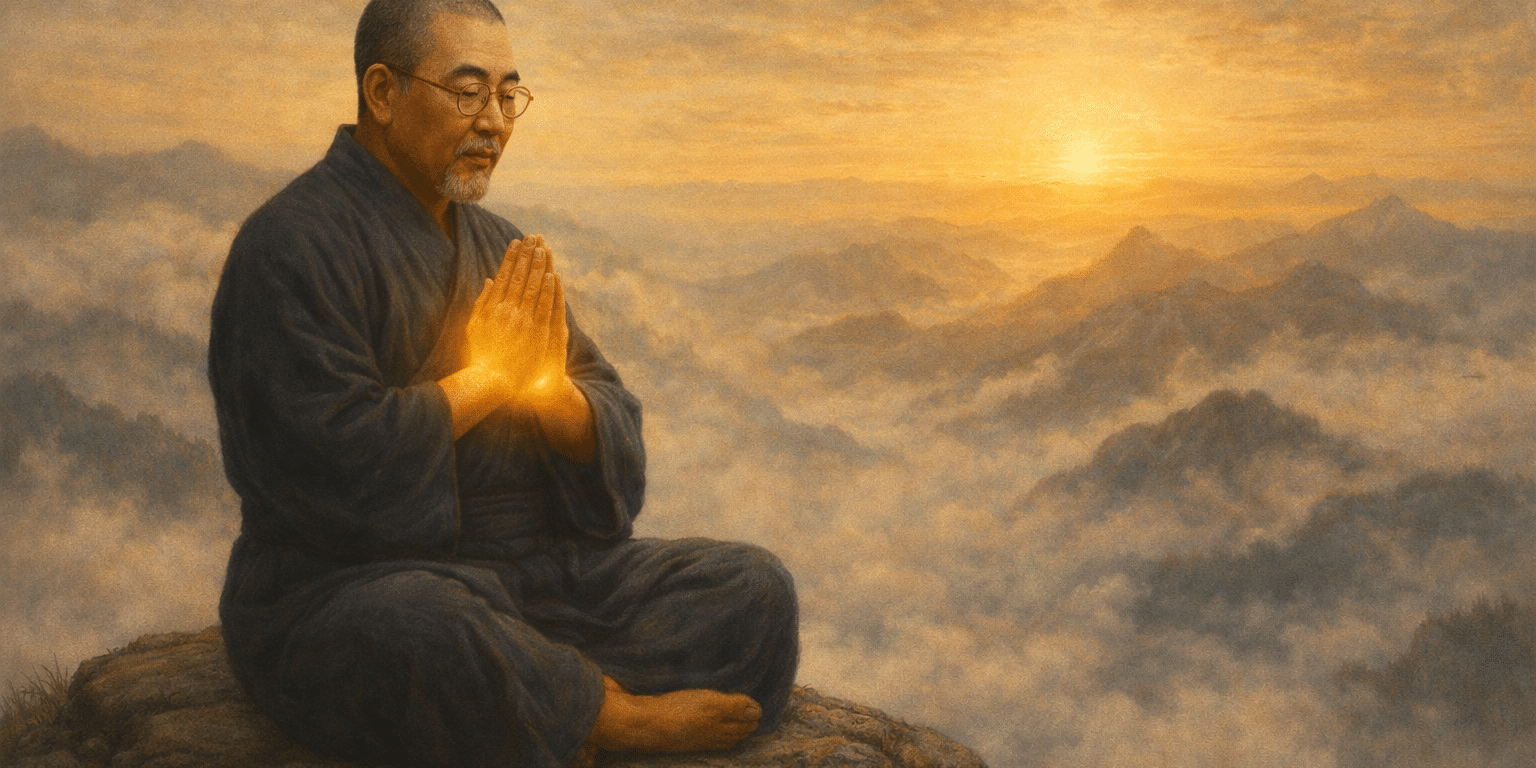
This moment quietly underscores an essential truth: Reiki is first integrated through personal experience. Self-treatment grounds awakening into the body and daily life. Without it, Reiki remains theoretical. In this lineage, Reiki is often described as a DO—a way of being, similar to other Japanese spiritual paths. That means Reiki is not something we turn on and off. It is cultivated through repetition, presence, and gentle discipline. Self-treatment is how we walk the Way.
It does not have to be perfect or lengthy. What matters is sincerity and consistency. Even a few minutes a day, practiced without expectation, allows Reiki to refine us over time.
Gentle Commitment, Profound Transformation
Self-treatment is an act of devotion—not to an outcome, but to the practice itself.
Through it, we learn patience.
Through it, we meet ourselves honestly.
Through it, Reiki becomes less about fixing and more about remembering who we are.
When we place our hands on ourselves, we affirm that we are worthy of the same care we offer others.
And in doing so, we align with the deepest teachings of Reiki:
harmony, compassion, and awakening through everyday life.
Just for today, place your hands on yourself.
Just for today, walk the Way.
Want more like this?
We share deeper thoughts, behind-the-scenes insights, and things we don’t always publish on the blog over on our Substack. If this post was useful, you’ll probably enjoy what we send there too.
👉 Subscribe on Substack to keep reading.