
Why I Am Naming This Lineage Now
Reiki has always evolved through human hands. It was shaped by the people who practiced it, the cultures that received it, and the lineages that carried it across oceans. When I chose to name the Koshin Reiki Style, I did so to honor the transmission that shaped my own training, and to offer a clear identity for those who will carry this work into the future.
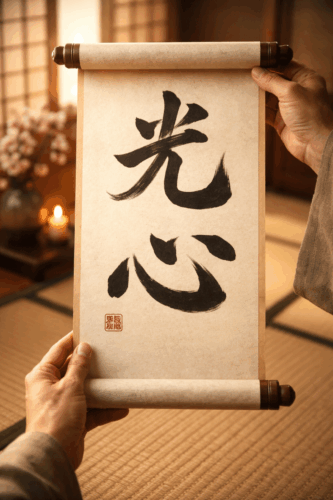
The name Koshin was not an idea I invented. It was given to me many years ago, long before I understood it. When I was a young student, my teacher, John Harvey Gray, sat down with me and quietly drew two characters that Hawayo Takata had given him when he became a master. She told him these characters expressed the full essence of Reiki as Hayashi had taught it to her. The characters were 光心, Ko Shin.
At the time, I didn’t recognize the significance of what John was showing me. I thought he had mistaken the second character for something from the distance symbol. I didn’t yet understand kokoro or shin, or how the great light entering the open heart becomes the foundation of awakening.
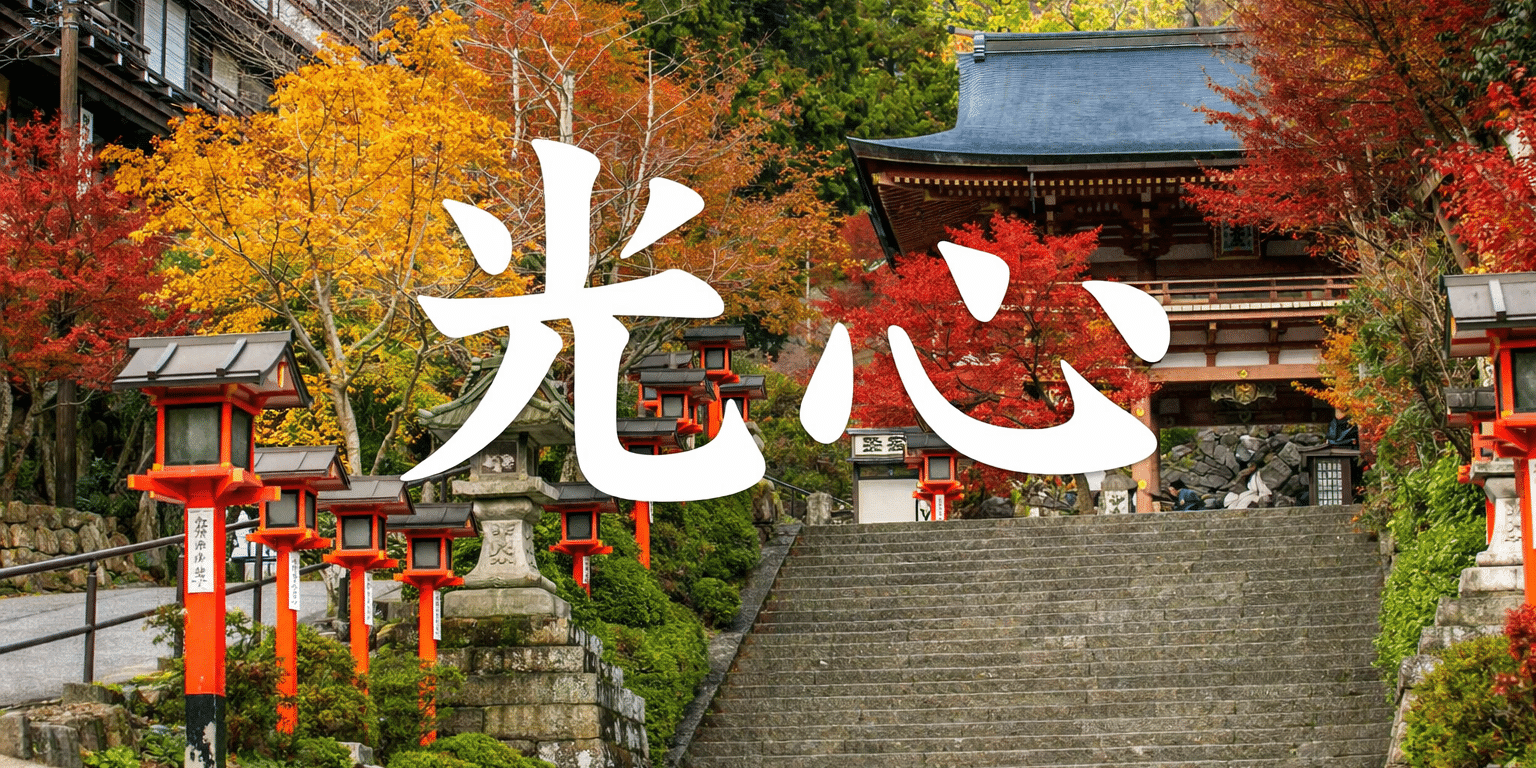
Decades later, I found myself sitting on Kurama, in the temple dedicated to Mao-son. In a moment of stillness, the memory of John drawing those characters returned with full clarity. It was immediate and unmistakable. Something inside me recognized what I had overlooked. Koshin had been offered to me long ago. I simply wasn’t ready for it.
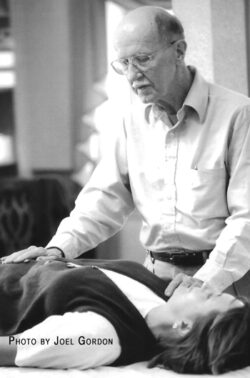
Koshin Reiki is not a new system. It is a name for a transmission that already exists. It honors the form of Reiki that came through one specific and unbroken line. It moved from Usui to Hayashi, from Hayashi to Takata, from Takata to John, and from John to me. Every lineage carries a slightly different flavor. Every teacher preserves or emphasizes different aspects. This transmission deserves to be recognized by name.
Why name it now? Because the world of Reiki has become wide and diverse. Many lineages call themselves “traditional,” and many claim to represent the original form of Usui’s teaching. But historical research, including the work of Dr. Justin B. Stein, shows clearly that Reiki was never frozen in a single form. It blended with cultural influences, healing methods, and spiritual ideas of its time.
Usui drew on Buddhist meditative practices, psychological insights, martial culture, and the wider healing boom that surrounded him. Hayashi added clinical structure and anatomical precision. Takata adapted the system for Western students and preserved elements that might otherwise have been lost. Her earliest students, as Justin Stein notes, learned far more hands-on diagnostic methods such as byosen than those who studied with her later in life.
In light of this, authenticity in Reiki cannot depend on purity. It rests in lineage, in what has been transmitted through living teachers, and in steady practice. Koshin Reiki honors a lineage that preserved many original practices that Takata carried, including anatomical hand positions rooted in Hayashi’s clinic, the full form of the Reiki meditation, byosen scanning, the mental treatment in its complete structure, and the finishing stroke that only a few branches still remember.
Giving this lineage a name brings clarity, not separation. It acknowledges that our way of practicing is one expression among many. It honors our teachers and offers future generations a stable foundation on which to stand.
Koshin means “luminous heart.” It points toward the essence of Reiki, the meeting of great light and the heart-mind that becomes clear enough to receive it. My hope is that this name helps students feel connected not only to the history of Reiki, but to the inner transformation that Reiki invites.
To learn more about Koshin Reiki or explore its teachings, visit koshinreiki.com.





This was incredibly useful and well written.